What is Public History?
Public History is the professional field of history for general audiences. It is different from the well-known academic History, which is aimed towards scholars, students, and experts. Public and academic Historians use the same methods, but have different styles of presentation for different audiences. Public History can be in many different forms, such as museums, historical signage, films, podcasts, websites/ blogs, games, music, books, theater, and more. This website focuses on Museums in the Hudson Valley and how their content is presented.
Analyzing Museums
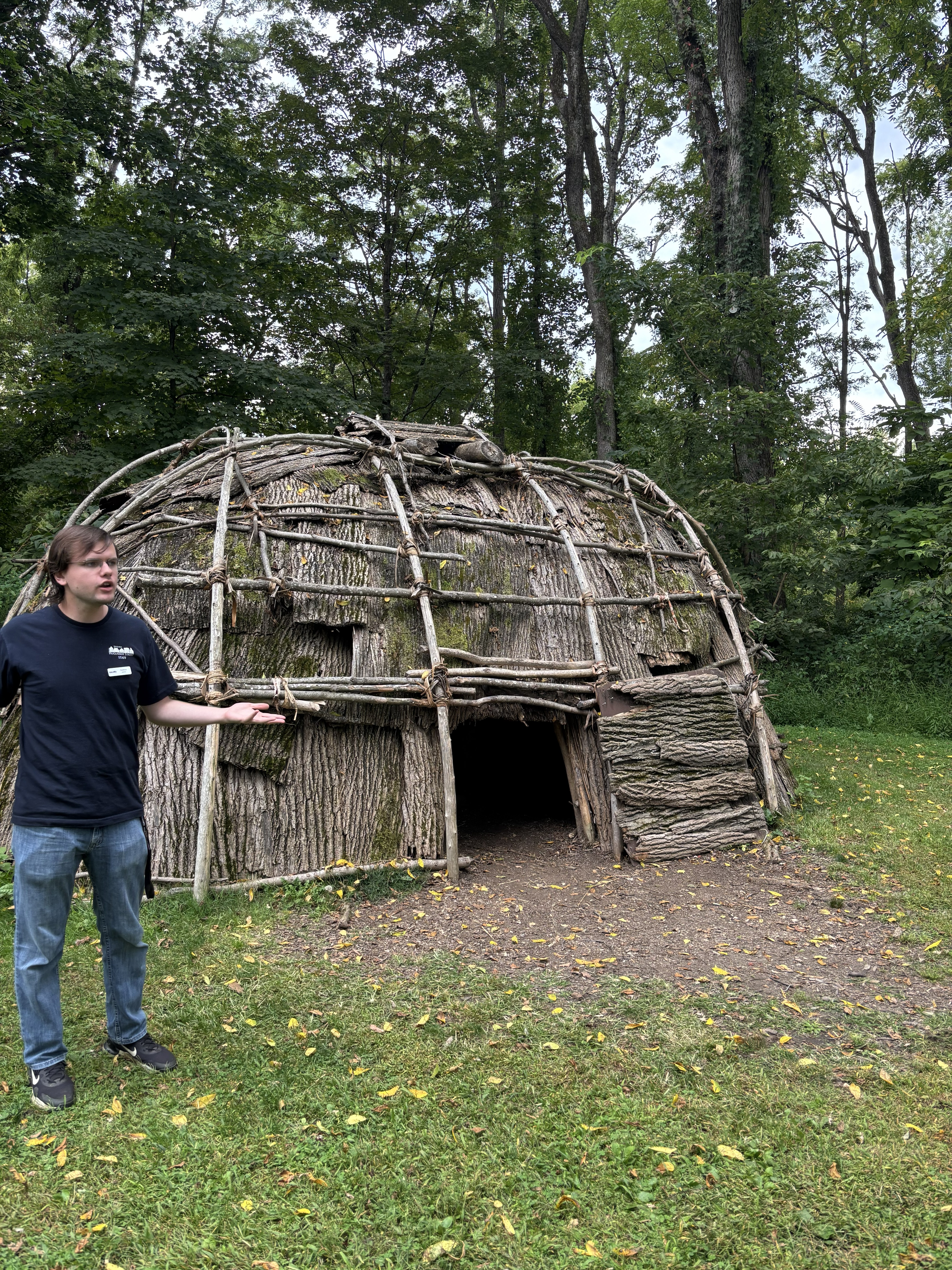
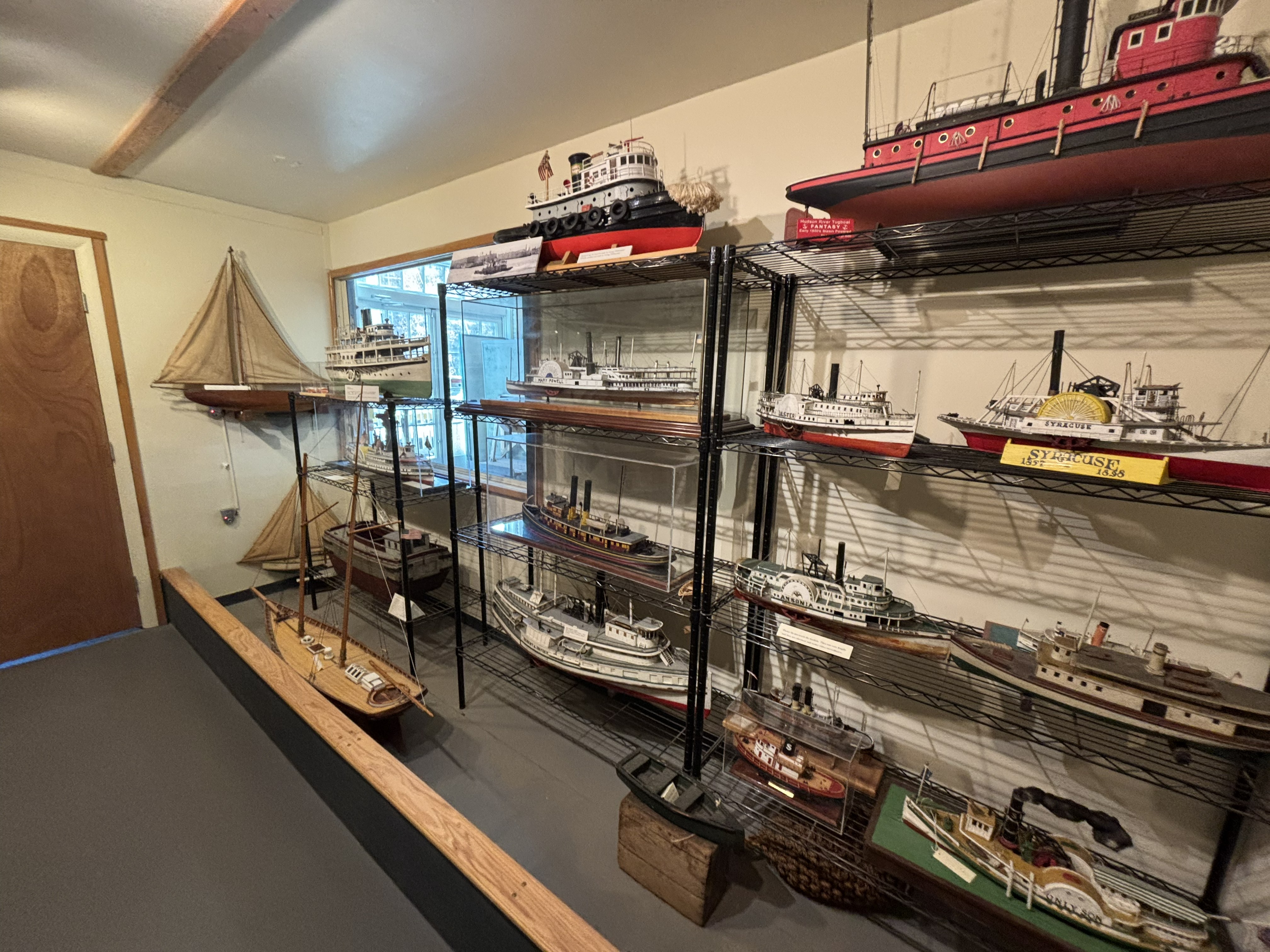
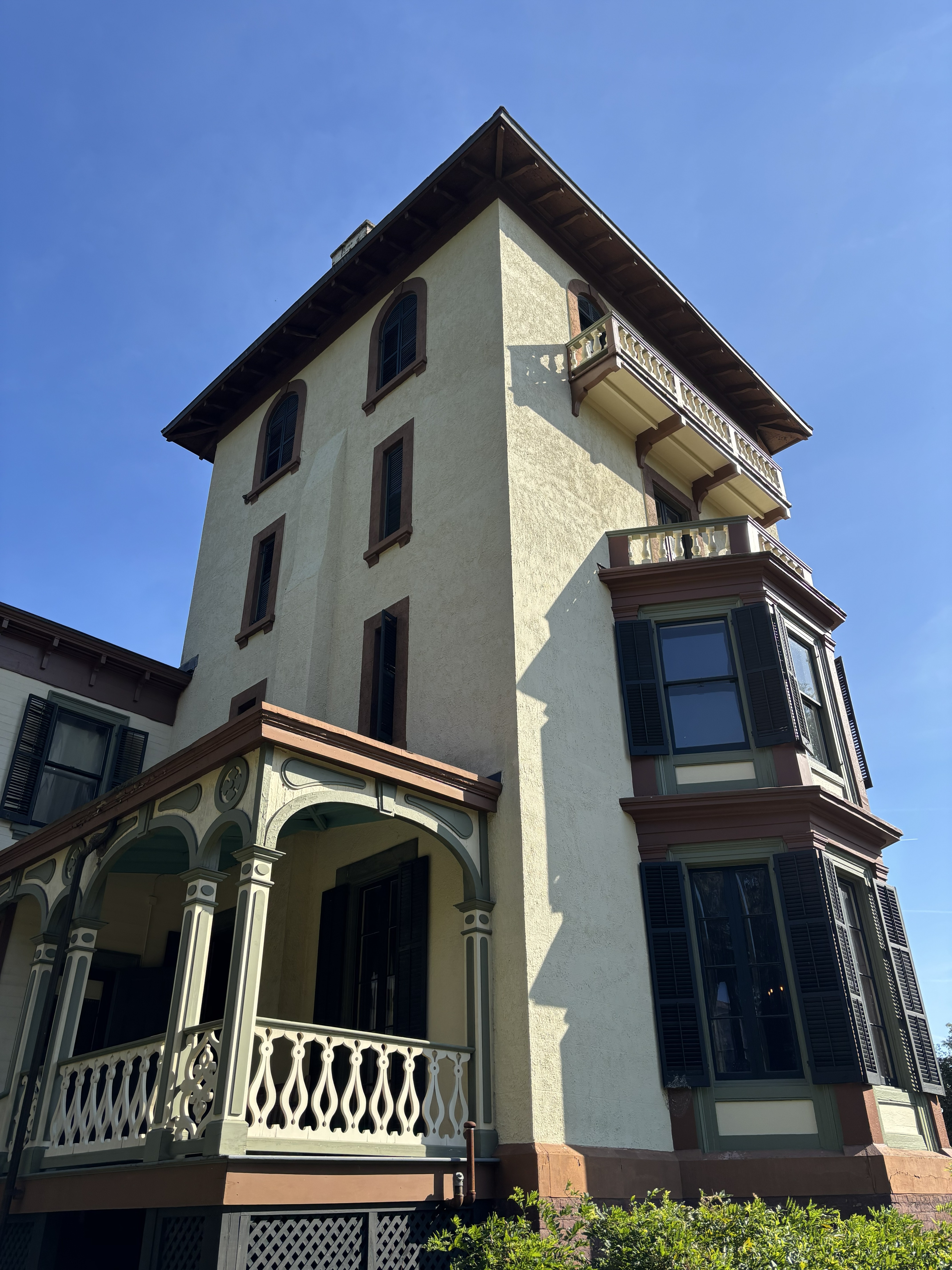
History museums are the most recognizable and accessible examples of public history. Museum exhibits are often showcasing a specific event, location, historical figure, or time period. In order to tell their story and teach information, public historians must use many different techniques to successfully engage their visitors. This project looks critically at the museums of the Hudson Valley, exploring the different ways they present their content, engage their audience, and design their experience.
Public historians must consider the content, the audience, and the design of their exhibits.
Content
“The chief aim of Interpretation is not instruction, but provocation” - Freeman Tilden
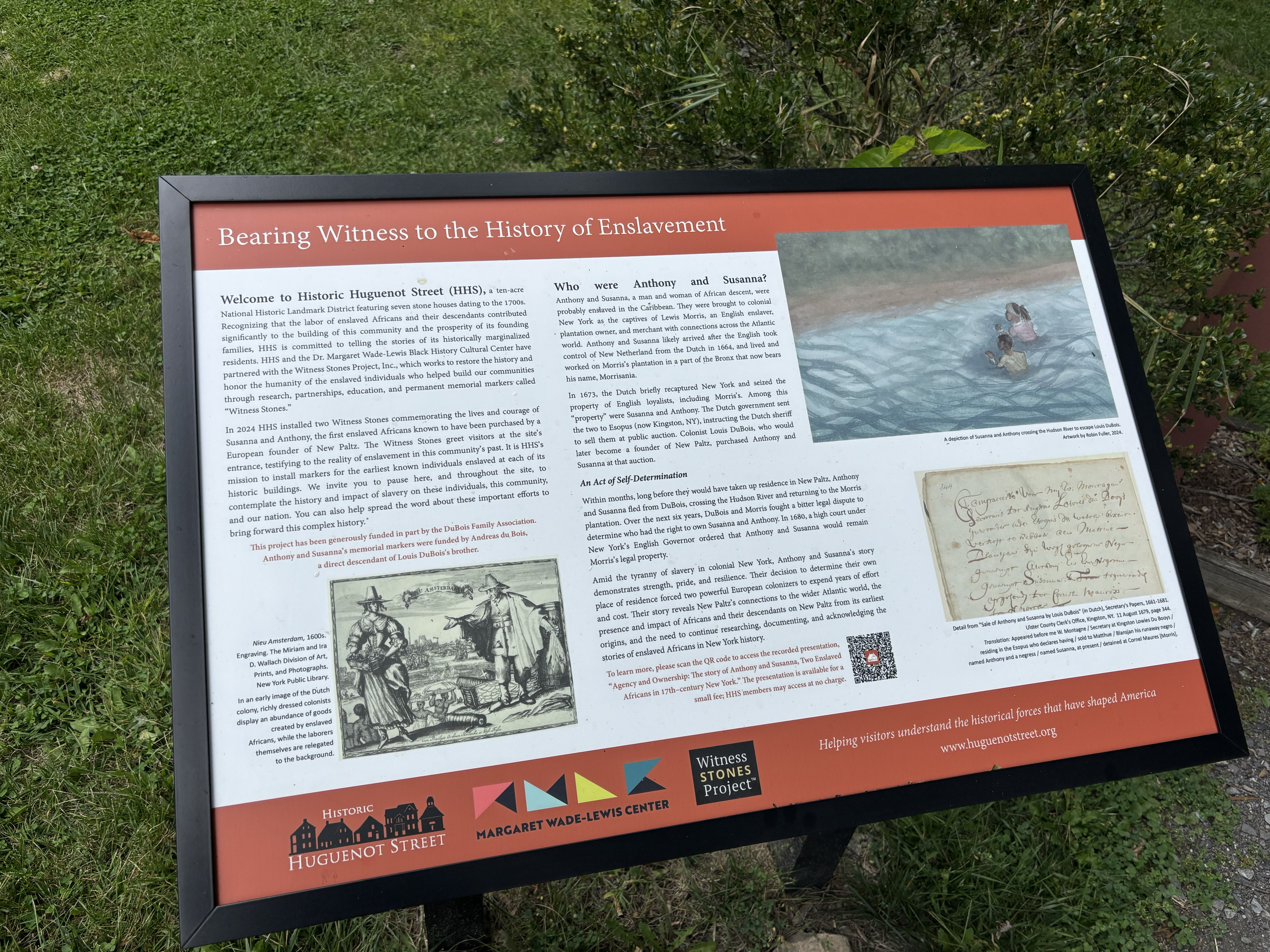
Sometimes content can provoke dialogue and challenge the public’s beliefs. This leads to a balancing act for public historians, who want to stretch the worldview of their guests, but not shatter it.
Audience
The main distinction between a public and academic historian is the audience they present to. Public historians are presenting to everyday people, not academics, so they must make choices about how to inform and engage with people of all ages and backgrounds. A good public historian is constantly thinking about the experience for the audience. In museums and exhibits, this means finding different ways to hook your visitors
Audiences can be classified by certain demographics, like age. An adult may be interested in historical photos or text, but a child may want to hold historical tools or try on clothing. Other classifications are class, gender, race, country of orgin, or attention span.
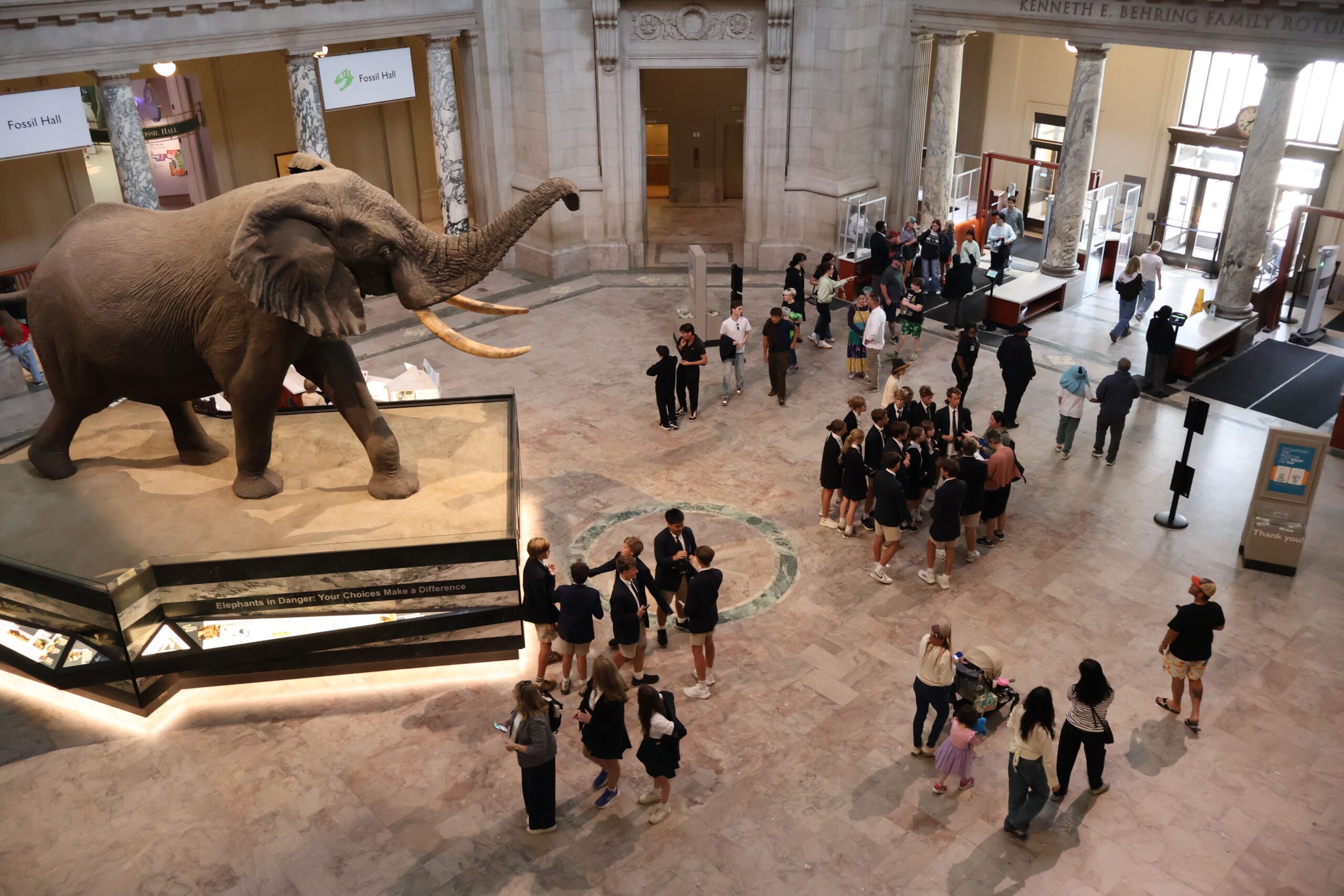
It is important for public historians to consider all three of these types of guests. A museum should never be working against guest behaviors, but instead working with them to craft an experience for different kinds of people.
Design
The final key to a successful museum experience is its look and feel. Organizing information, selecting imagery, music, lighting, and color are all examples of ways that aesthetic is considered when designing a museum. A room may be designed to encourage you to walk a certain direction, or an artifact may be displayed to be viewed from an unusual angle. Implementing design and creativity into the presentation of content gives it more life, and keeps the audience involved in their experience.
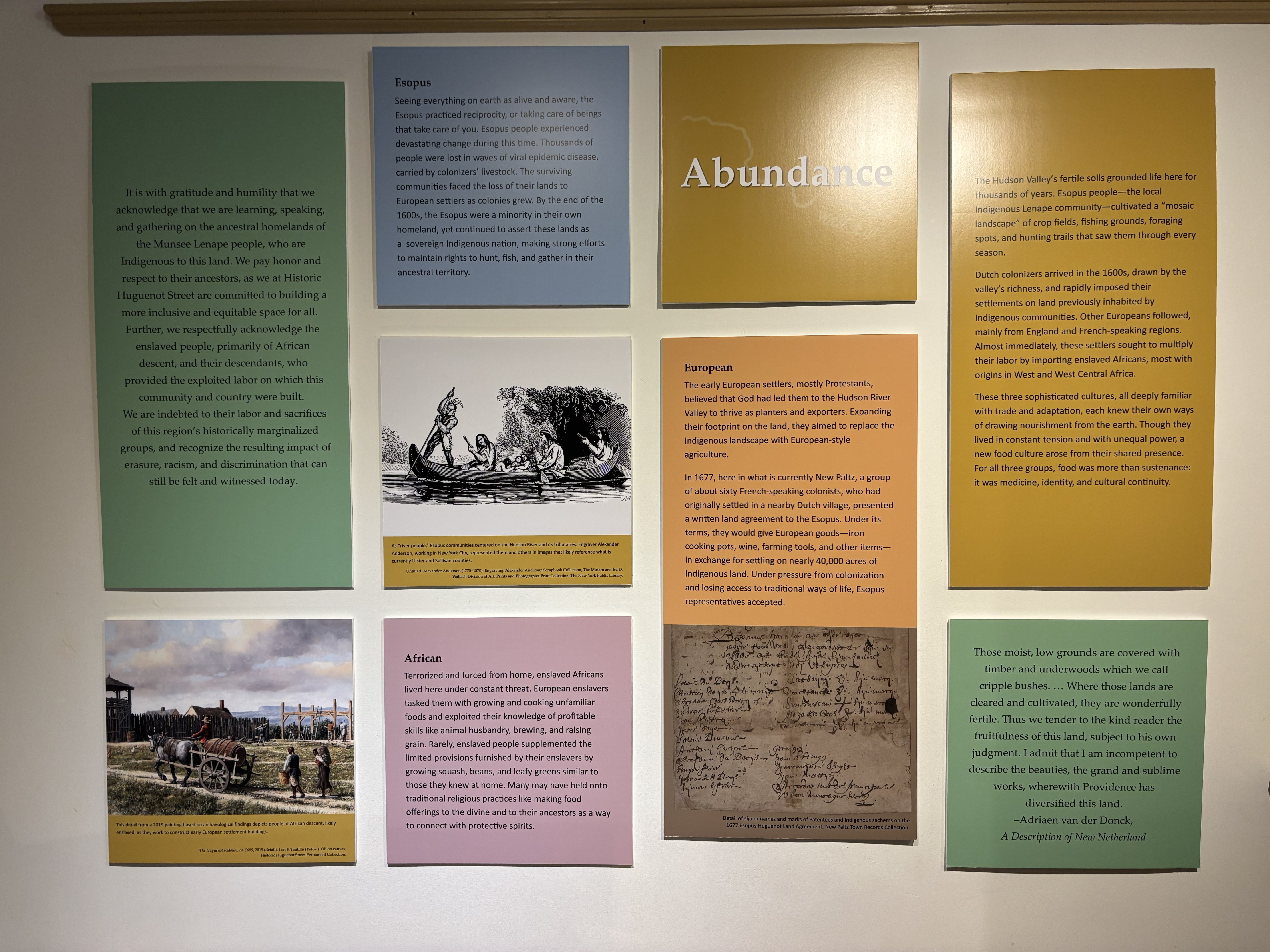
It is important for public historians to consider all three of these types of guests. A museum should never be working against guest behaviors, but instead working with them to craft an experience for different kinds of people.